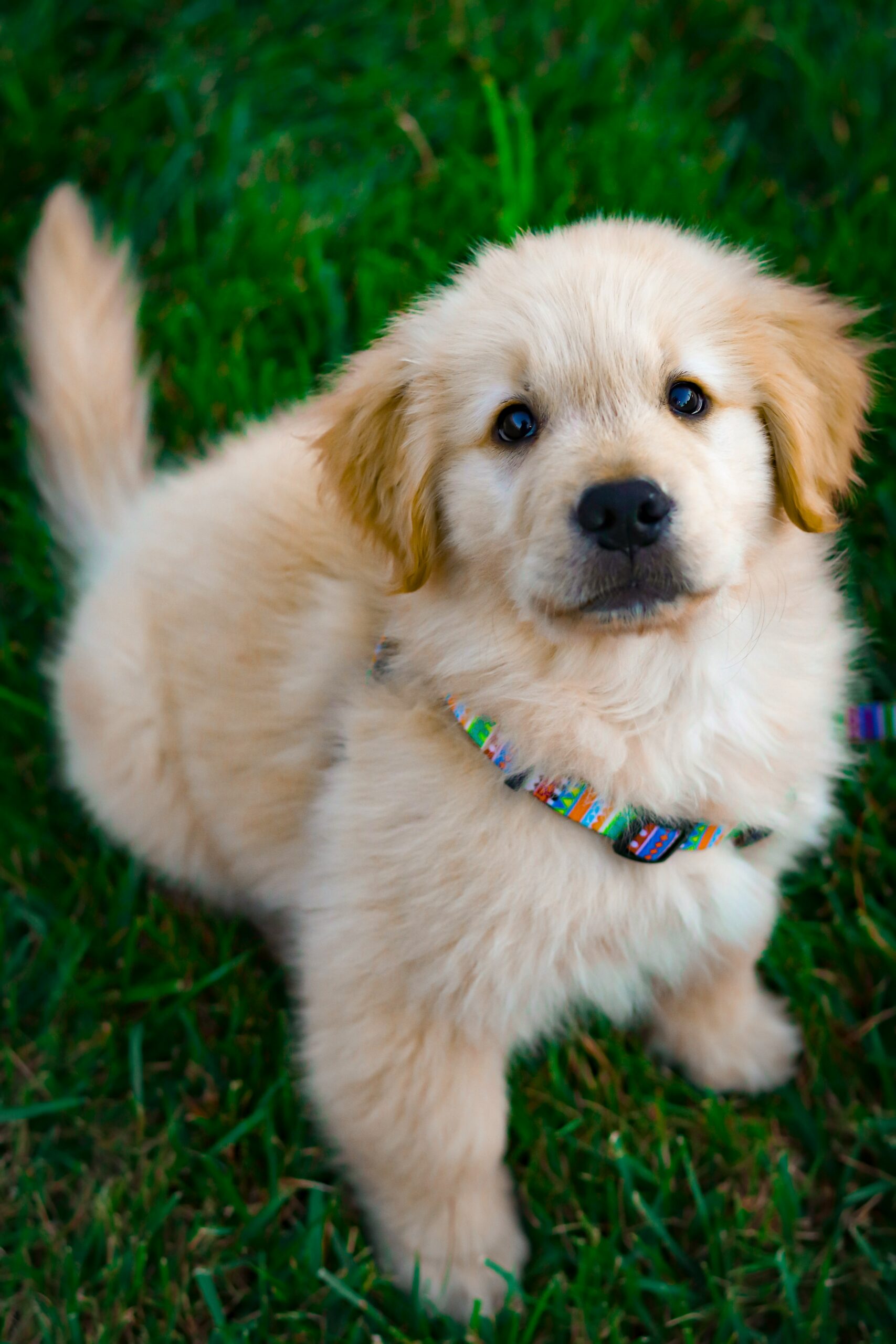
Bringing home a new puppy is exciting, exhausting, hilarious, and one of the best opportunities you will ever have to shape the dog your puppy will become.
At Absolute K-9 Training, one of the most important pieces of advice we can give new puppy owners is simple:
Start now.
Eight weeks old is absolutely not too young to begin training. In fact, it is a wonderful age to start. Your puppy is already learning every single day. The question is whether you are intentionally teaching the behaviors you want or allowing your puppy to practice behaviors you will have to change later.
Crate Training: Give Your Puppy a True Den
A crate is one of the most valuable tools you can introduce from the very beginning.
Dogs naturally seek comfortable, protected resting spaces, and we want the crate to become your puppy’s safe, quiet place.
At Absolute K-9, we strongly prefer appropriately sized, enclosed plastic-style crates rather than open wire crates covered with blankets. A properly introduced crate should feel cozy, secure, and den-like, not like a cage in the middle of the room.
Crate training can also help with:
- Potty training
- Establishing a daily routine
- Preventing destructive behavior
- Teaching your puppy to settle independently
- Creating a safe place for rest and sleep
The crate should never be used as punishment. We want puppies to learn:
“This is where I relax. This is where I sleep. This is my safe place.”
Socialization Starts Now
One of the biggest mistakes we see is owners believing they must keep their puppy completely isolated until every vaccination is finished.
There is an important balance between protecting a puppy from infectious disease and supporting healthy behavioral development.
The early socialization period is incredibly important. Waiting until a puppy is five or six months old to introduce them to the world can mean missing a critical developmental window.
That does not mean taking an incompletely vaccinated puppy to the dog park. We do not recommend that at all.
Instead, introduce your puppy safely and thoughtfully to the world around them.
Consider taking your puppy to controlled environments such as:
- Outdoor coffee shops
- Busy restaurant patios
- Pet-friendly stores
- Different neighborhoods
- Friends’ homes
- Other carefully managed public spaces
Let your puppy safely experience people of different ages and appearances, shopping carts, umbrellas, cars, noises, unfamiliar surfaces, and the everyday sights and sounds they will encounter throughout life.
Until your veterinarian confirms that your puppy is fully protected, avoid high-risk areas with unknown dogs or heavy dog traffic. Do not allow your puppy to investigate feces or potentially contaminated areas. Your veterinarian can help you evaluate the disease risk in your particular area and recommend appropriate precautions.
Socialization is not about letting your puppy meet every dog and person. It is about teaching your puppy that the world is safe, normal, and manageable.
Routine, Routine, Routine
Puppies thrive on predictability.
Establish a routine from day one for:
- Waking up
- Potty breaks
- Meals
- Training
- Playtime
- Naps
- Bedtime
We strongly recommend scheduled meals rather than leaving food available all day. A feeding schedule helps you monitor your puppy’s appetite, makes potty habits more predictable, and creates additional opportunities for training.
Your puppy quickly begins learning:
We eat at certain times. We potty at certain times. We play at certain times. We settle at certain times.
Dogs learn through consistency and follow-through. If something is allowed today but prohibited tomorrow, you are making your puppy’s job much harder.
Do Not Give Your Puppy the Whole House
One of the easiest ways to create bad habits is to give a young puppy too much freedom too quickly.
Your eight-week-old puppy does not need free rein of your home. Freedom should be earned gradually as training progresses.
Use crates, gates, leashes, and supervised areas to manage your puppy’s environment. If you cannot actively supervise your puppy, they should be somewhere safe where they cannot practice chewing furniture, stealing things, pottying in another room, or getting themselves into trouble.
Remember:
Every time a puppy practices a behavior, they get better at it, including the behaviors you do not want.
Yes, You Can Train an Eight-Week-Old Puppy
Training does not need to be long or complicated. Grab some tiny treats and start.
An eight-week-old puppy can begin learning:
- Their name
- Sit
- Down
- Come
- Eye contact
- Crate training
- A potty routine
- Calm handling
- How to settle
Keep training sessions short, positive, and fun. Thirty seconds or a couple of minutes at a time can accomplish a lot with a young puppy.
Training should become part of everyday life, not something that happens only during one designated training session.
Teach the Difference Between Outside and Inside
This is one of our favorite concepts for raising a puppy.
Outside Means Play
Bring out the exciting toys. Play tug, toss toys, run around, and engage with your puppy. Make outside fun.
Then come inside and change gears.
Inside Means Calm
Inside is where we settle, enjoy an appropriate bone or chew, relax on a bed, and learn how to simply exist without being constantly entertained.
Dogs are not born knowing when it is time to settle. That is something we can teach them.
A dog who learns both how to play and how to settle is much easier to live with.
Skip the Pee Pads
Whenever possible, we recommend starting with the behavior you ultimately want.
If your goal is for your adult dog to potty outside, teach your puppy to potty outside from the beginning.
Pee pads can unintentionally teach puppies that eliminating inside the house is sometimes acceptable. Owners then eventually remove the pads and expect the dog to understand that the rules have suddenly changed.
For many puppies, that is confusing.
Instead:
- Take your puppy outside frequently
- Supervise closely
- Establish predictable potty times
- Enthusiastically reward successful outdoor potty trips
There will likely be accidents. That is part of raising a puppy.
Clean them up and keep practicing.
Practice Makes Perfect
Nobody brings home a perfectly trained eight-week-old puppy.
There will be ups and downs. There will be days when you wonder if your puppy has forgotten everything you taught yesterday.
That is normal.
What matters is what you do consistently over the weeks and months that follow.
Start early. Set boundaries. Build a routine. Socialize thoughtfully. Reward the behaviors you want. Prevent your puppy from repeatedly practicing the behaviors you do not want. Most importantly, follow through.
The work you put into your puppy during those first few months can influence the dog you will live with for the next 10, 12, or 15 years.
And remember: practice makes perfect.
The Absolute K-9 Training Team
Ready to help your puppy start off on the right paw? Contact Absolute K-9 Training today to get started.

Leave a Reply